Mixing valves
A
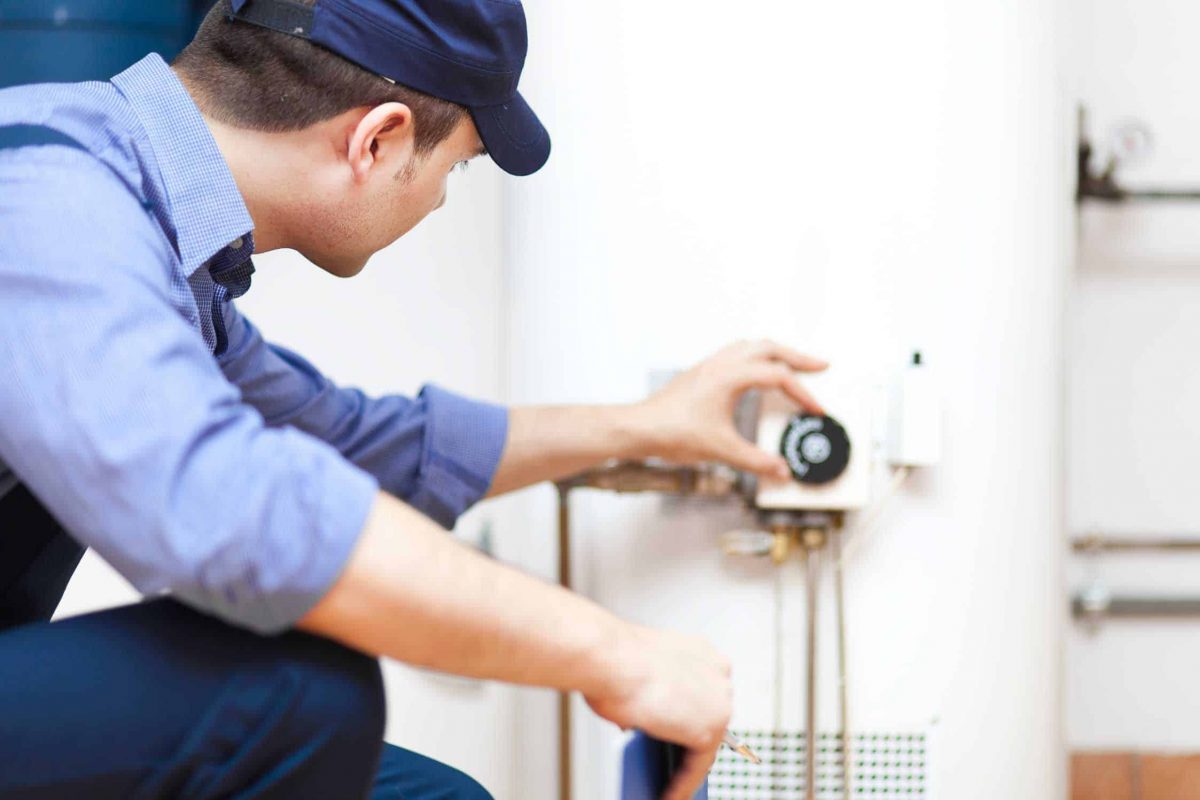
mixing valve; also known as a tempering valve, is a mechanical thermostatic
valve designed to control the water temperature output through the valve. Many
areas require thermostatic mixing valves be installed on the domestic hot water
supply; by code, for the protection of the residents.
Why do I need a mixing valve
- May be required by code in your area.
- To protect your family and guests from scalding water burns and thermal shock. Every year numerous people (mostly children) are seriously injured by residential hot water that is set to high or improperly protected from pressure change.
- To protect the health of your family from water born diseases. The maximum water temperature at any fixture in your home is 120°F or 49°C (except a dishwasher), which is very close to the ideal conditions for Legionella Bacteria (Legionnaires disease). The way to prevent your water from becoming contaminated is keep the water heater set at 60°C, killing the bacteria, and use a mixing valve to lower the supply water temperature.
How do mixing valves work
A
thermostatic mixing valve operates by sensing the
temperature of the blended water and adjusting the seat in
the mixing chamber accordingly. If the cold supply water
suddenly drops in pressure the seat will close, limiting the
amount of hot water allowed to pass through.
Types of mixing valves
-
Source
of supply - Residential, commercial, industrial
uses for tempering entire hot water distribution
systems.
-
Point
of use - residential, commercial and industrial
uses, easily installed between the fixture supplies.
Temperature actuated flow reduction valve
- Immediately closes in the event of a lose of cold water
protecting you from being scalded. Used primarily to
control the high limit water temperature of showers.
-
Tempering
valve - Blends cold and hot water to extend the
hot water capacity of residential water heaters and boiler
coils.
Pictures used with permission from Watts.com