Kitchen sink drain connections
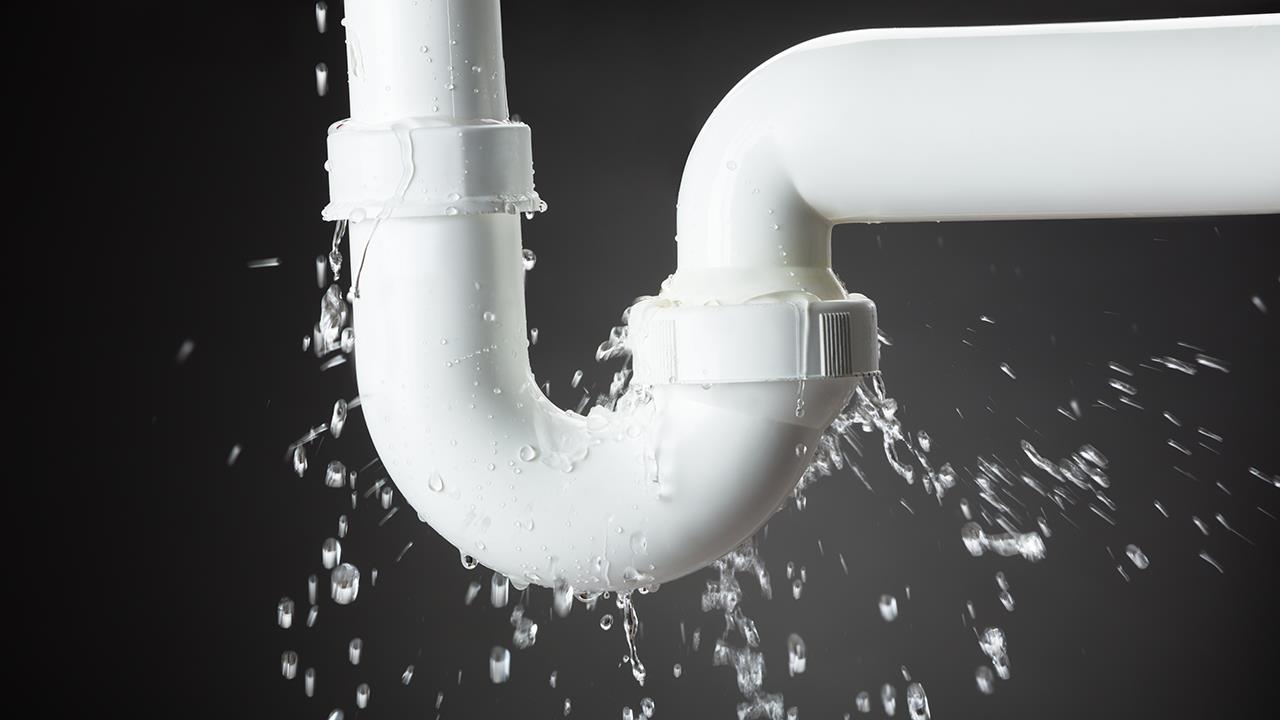
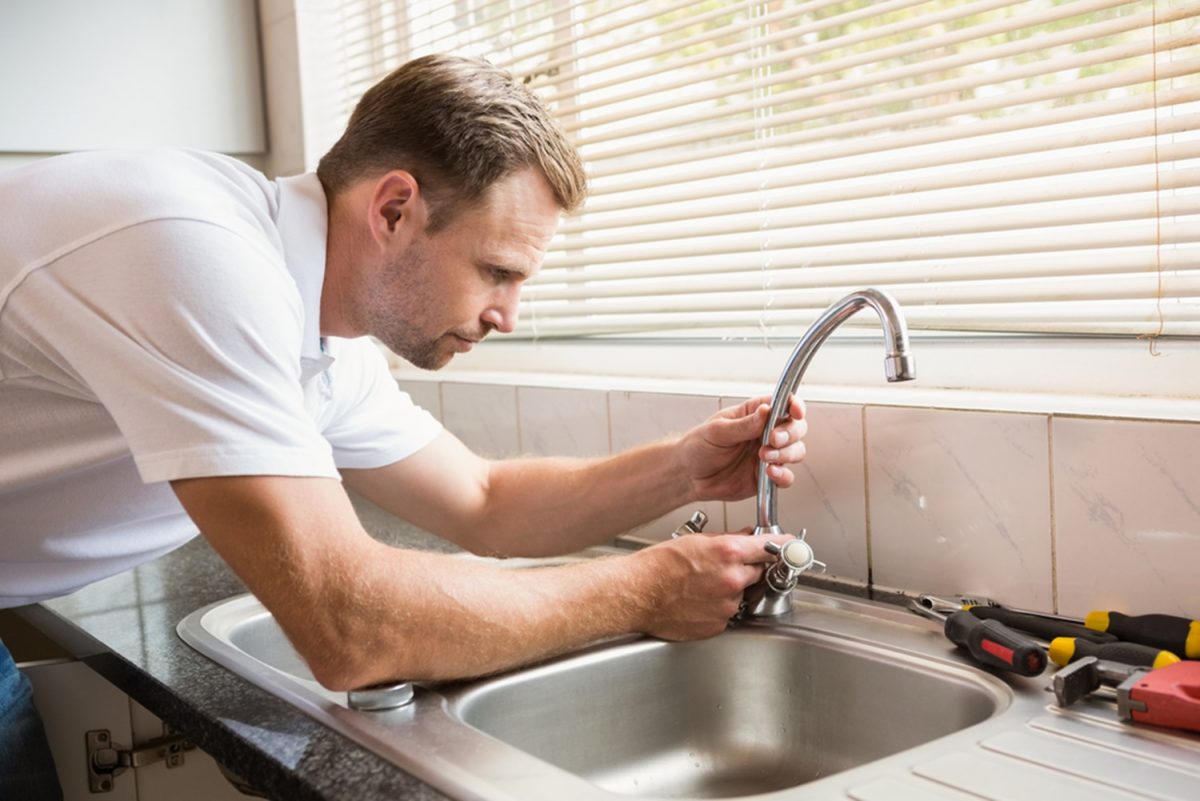
Installing the drain connections to a kitchen sink are relatively easy and most homeowners with a few simple tools can save themselves some money by making these repairs. In this article you'll see how to install a new basket strainer, continuous waste and trap.
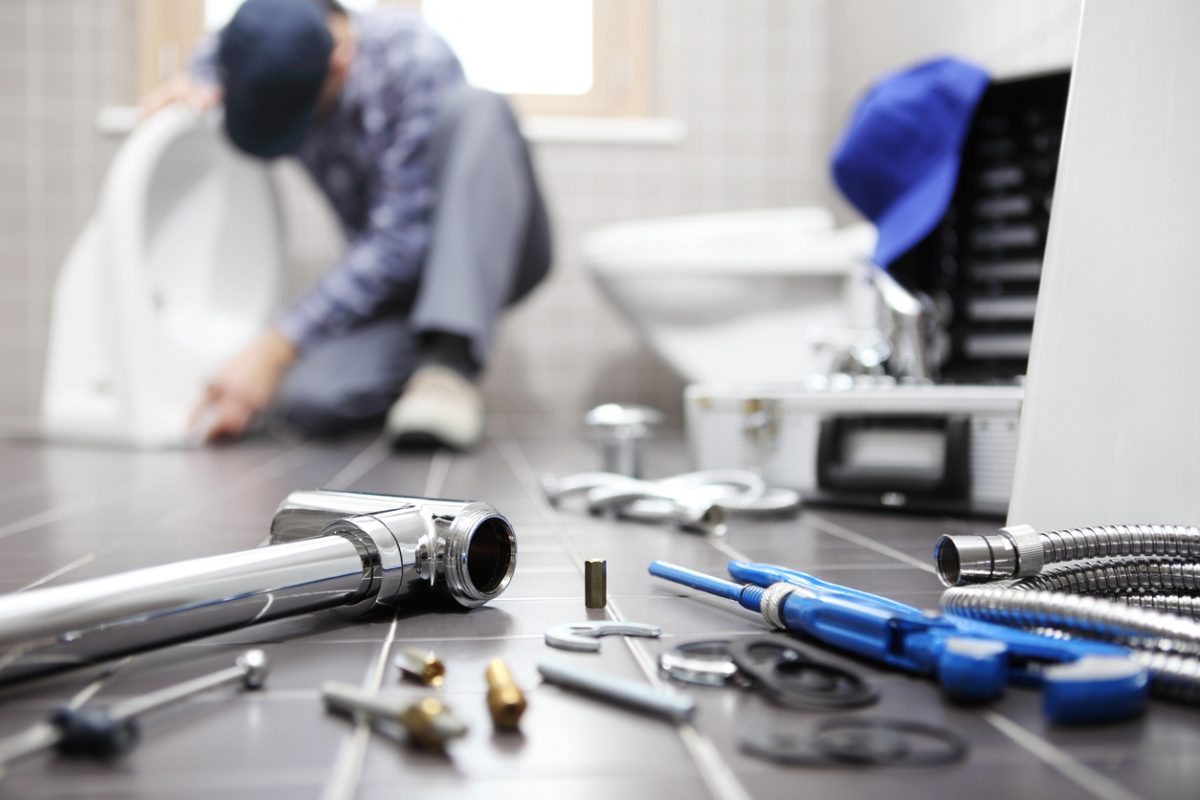
Tools and materials you may require
| Pipe cutter | Hacksaw | ABS/PVC glue |
| Large slip joint pliers | Screwdriver | Tape measure |
| Torpedo level | Teflon tape | Plumbers putty |
| Continuous waste kit | Basket strainers | P-trap with cleanout |
| 1 1/2" Pipe | PO wrench | 1 1/2" trap adapter |
Installing the basket strainers
-
Place a small strip of plumbers putty all around the
underside of the strainer then push it down through the
hole in the sink. - Under the sink you will have to place a rubber washer over the strainer's threads then a paper washer under that.
- Hand tighten the locknut up against the paper washer.
- You may want someone to lend you a hand to tighten the locknut completely. Depending on the basket strainer you have, it can be held in place with a screwdriver or PO wrench, while you tighten the locknut.
- Install the tailpiece with the washer between the strainer and the tailpiece. If your using a brass or chrome tailpiece you should put some teflon tape around the threads of the basket strainer.
- Repeat for the opposite side.
Installing the drain and trap
- You can purchase a pre-manufactured connection for a kitchen sink called a continuous waste, but you can also hook up the drain using fittings and pieces of pipe cut to size.
-
Assemble
the continuous waste an connect it to the tailpieces of the
sink. The tail pieces may need to be cut to size with a pipe
cutter or a hacksaw if your careful. - Some P-traps will come with adapters built in but if not, cut a small piece of pipe(about 2") and fit the trap adapter to the top of it then dry fit in the top of the trap.
-
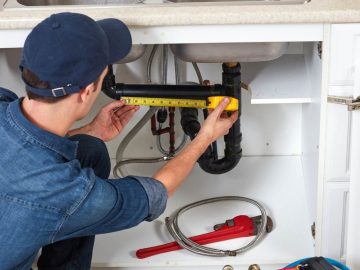
Measure
and cut a piece of pipe to go from the wall to the P-trap, dry
fit all the pieces together and cut the continuous waste to the
length required for a slight grade on the horizontal pipes. - When every thing lines up the it safe to glue and tighten the joints. Wipe off excess glue with an old rag or paper towel.
- Check for leaks by filling both sides of the sink and retighten any joints that leak.